Skip to content

Arthritis has affected millions of people worldwide, causing joint pain, stiffness, and reduced mobility. And with it comes a lifetime of medicines that cause various side effects on the body. However, doing yoga for arthritis can change the way we deal with it.
Incorporating yoga for arthritis is powerful for managing arthritis symptoms, improving joint flexibility, and reducing pain. Unlike high-impact exercises, yoga is gentle on the joints and promotes healing through mindful movement and breath control. In this blog, we’ll explore yoga for arthritis, yoga for knee arthritis, yoga for joint pain relief, and yoga for hip arthritis while highlighting the best poses to bring quick relief.
Yoga for Arthritis
Yoga for arthritis can help in several ways. Firstly, it improves flexibility and range of motion, which is crucial for stiff and swollen joints. Regular yoga practice also strengthens muscles around the joints, providing more support and easing pressure. Moreover, yoga promotes relaxation and mindfulness, which helps in managing the emotional and psychological toll of chronic pain. Studies have shown that doing yoga for arthritis can lead to reductions in pain, stiffness, and disability in people with osteoarthritis and rheumatoid arthritis.
What are the benefits of yoga for arthritis?
- Improves Flexibility: Gentle stretching relieves stiffness and enhances joint mobility.
- Strengthens Muscles Around Joints: Builds support for joints, reducing pain.
- Reduces Pain and Inflammation: Increases blood flow to joints, easing discomfort.
- Boosts Mental Well-being: Relieves stress and anxiety, improving emotional health.
- Enhances Balance and Stability: Reduces fall risk by improving body control.
- Improves Circulation: Deep breathing promotes oxygen delivery to affected areas.
- Encourages Better Sleep: Restorative poses can improve sleep quality.
- Low-Impact Movement: Provides consistent activity without straining joints.
5 Yoga Asanas to manage Arthritis Pain
Child’s Pose (Balasana)
- How to Do It:
- Begin by kneeling on the floor, with your big toes touching and your knees spread wide.
- Slowly lower your torso between your thighs, allowing your forehead to rest on the mat.
- Extend your arms forward or let them rest beside your body.
- Hold for a few deep breaths.
- Targets: Hips, knees, and lower back.
- Benefits: This pose gently stretches the hips, thighs, and ankles, making it ideal for people with arthritis in the knees and hips. It also helps release tension in the lower back.
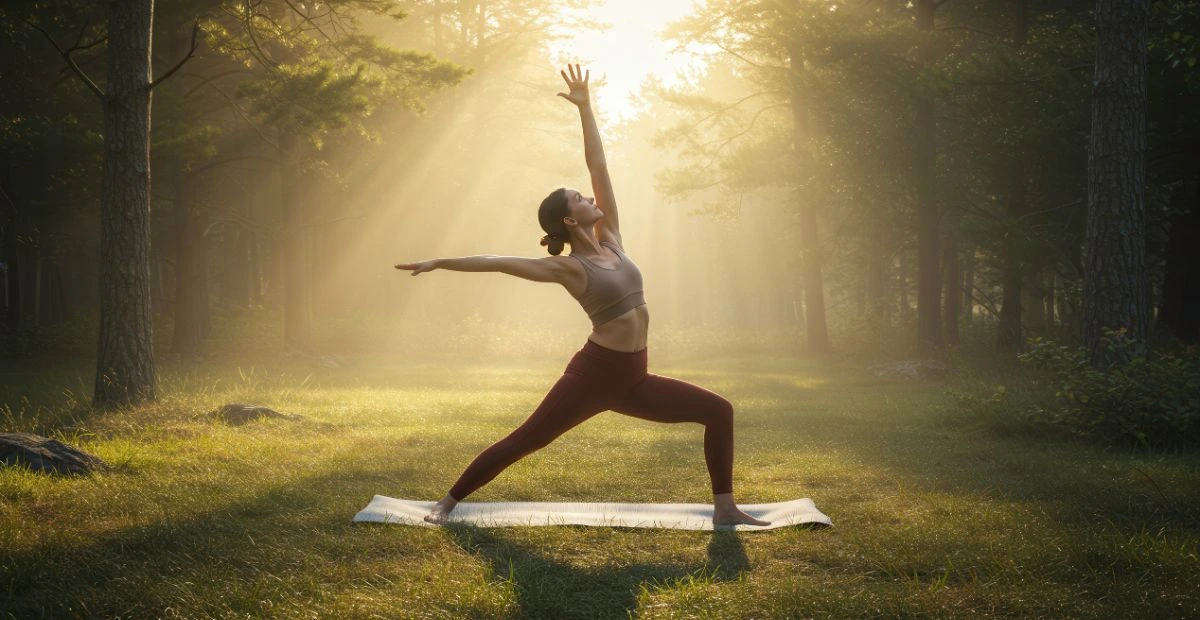
Warrior II (Virabhadrasana II)
- How to Do It:
- Stand with your feet wide apart and turn your right foot out 90 degrees.
- Bend your right knee, making sure it’s directly over your ankle.
- Extend your arms parallel to the floor and gaze over your right hand.
- Hold the position for several breaths before switching sides.
- Targets: Hips, thighs, knees, and shoulders.
- Benefits: Warrior II strengthens the legs and glutes, which support the knee joints. It also improves hip mobility and strengthens the shoulders
Tree Pose (Vrikshasana)
- How to Do It:
- Start by standing tall with your feet hip-width apart.
- Shift your weight onto one leg and place the sole of the opposite foot against your inner thigh or calf (avoid the knee).
- Bring your palms together at your chest or extend them overhead for balance.
- Hold for a few deep breaths, then switch sides.
- Targets: Knees, hips, and core.
- Benefits: This pose helps build stability and balance, particularly strengthening the muscles around the knee and hip joints. It also engages the core
Bridge Pose (Setu Bandhasana)
- How to Do It:
- Lie on your back with your knees bent and feet flat on the floor, hip-width apart.
- Press your feet into the floor and lift your hips towards the ceiling.
- Clasp your hands beneath your back or keep them at your sides for support.
- Hold the position for several breaths, then slowly lower your hips back to the ground.
- Targets: Hips, lower back, glutes, and knees.
- Benefits: Bridge Pose strengthens the glutes and lower back while improving hip flexibility. It’s beneficial for reducing stiffness in the lower back and hips
Seated Forward Bend (Paschimottanasana)
- How to Do It:
- Sit with your legs extended in front of you.
- Inhale and lengthen your spine, then exhale as you fold forward from your hips, reaching for your feet.
- Hold for several breaths, keeping your back as straight as possible.
- Targets: Spine, hamstrings, hips, and lower back.
- Benefits: This pose stretches the hamstrings and lower back, relieving tension and stiffness in the spine and hips
Yoga for Knee Arthritis

If you suffer from knee arthritis, there are gentle yoga poses for knee arthritis that don’t put excessive pressure on the knees. Focus on poses like Chair Pose (Utkatasana) and Warrior I to build strength in the quadriceps, which help support the knee joints. Additionally, balancing poses, such as Tree Pose, can help stabilize the knee by strengthening the muscles around it without aggravating pain.
Chair Pose (Utkatasana)
- How to Do It:
- Stand with your feet together and arms raised overhead.
- Bend your knees as if you were sitting in an imaginary chair, keeping your thighs as parallel to the floor as possible.
- Hold the pose for several breaths, then return to standing.
- Targets: Knees, thighs, hips, and lower back.
- Benefits: This pose strengthens the quadriceps and glutes, which are critical for supporting the knee joints. It also helps improve balance and posture
Yoga for Hip Arthritis
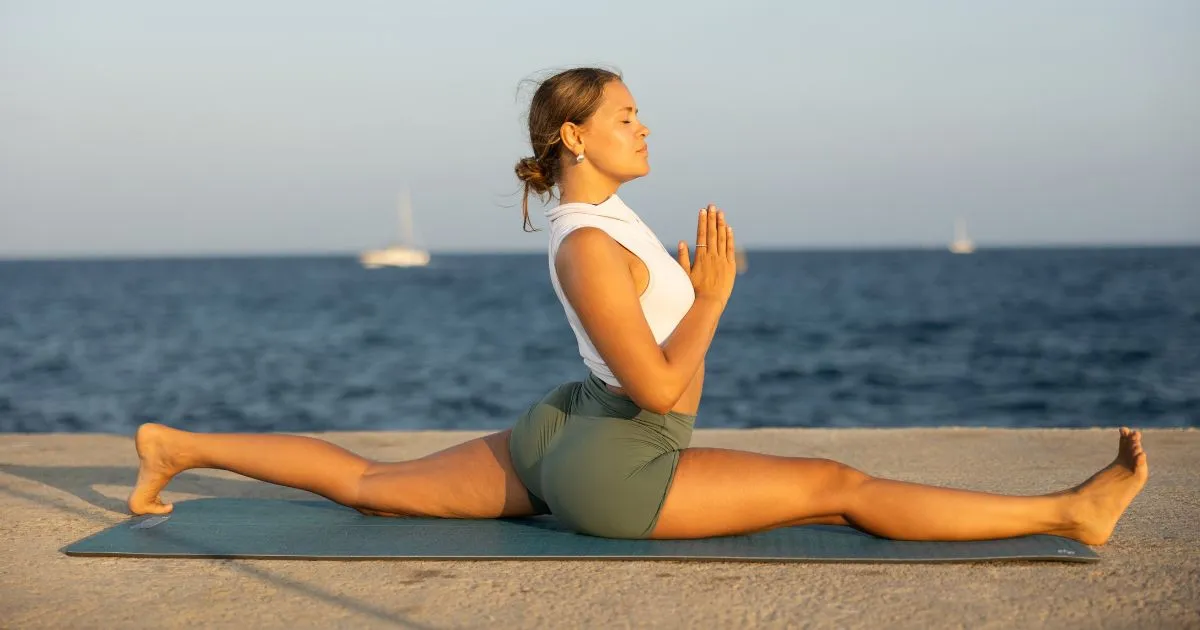
For those with hip arthritis, doing yoga for hip arthritis opens the hips and stretches the surrounding muscles, which is incredibly beneficial. Poses like Pigeon Pose and Bound Angle Pose (Baddha Konasana) are effective for reducing tension and improving mobility in the hip area. These poses target the hip flexors and rotators, which tend to become tight and painful with arthritis.
Pigeon Pose (Eka Pada Rajakapotasana)
- How to Do It:
- From a tabletop position, bring your right knee forward and place it behind your right wrist.
- Extend your left leg straight behind you, and slowly lower your hips to the ground.
- Hold for several breaths, then switch sides.
- Targets: Hips and lower back.
- Benefits: This pose is excellent for opening the hips and relieving tension in the hip joints, making it useful for people with hip arthritis
Bound Angle Pose (Baddha Konasana)
- How to Do It:
- Sit on the floor with your legs extended.
- Bring the soles of your feet together, allowing your knees to fall to the sides.
- Hold your feet or ankles and gently press your knees toward the floor for a deeper stretch.
- Hold for several breaths.
- Targets: Hips, groin, and lower back.
- Benefits: This pose is great for opening the hips and stretching the inner thighs, making it effective for those with hip arthritis
Triangle Pose (Trikonasana)
- How to Do It:
- Stand with your feet wide apart.
- Turn your right foot out 90 degrees and the left foot slightly inward.
- Extend your arms at shoulder height and hinge at your hips, reaching your right hand toward your shin or the floor.
- Extend your left arm towards the ceiling, and gaze upwards if comfortable.
- Hold for several breaths before switching sides.
- Targets: Hips, knees, ankles, and shoulders.
- Benefits: Triangle Pose stretches and strengthens the legs, improving joint mobility in the knees and hips. It also opens the chest and shoulders
Yoga for Joint Pain Relief
For overall joint pain relief, a combination of strengthening and restorative poses can help soothe discomfort while improving mobility. Yoga for joint pain involves holding poses for longer periods with the aid of props, allowing the joints to release tension without overexertion. Poses like Supported Bridge and Reclined Twist are excellent for relaxing the body and relieving joint pressure.
Reclined Twist (Supta Matsyendrasana)
- How to Do It:
- Bring your right knee toward your chest, and gently guide it across your body to the left, allowing your spine to twist.
- Extend your right arm out to the side and gaze toward it, keeping your shoulders grounded.
- Hold for several breaths, feeling the twist through your spine, and then repeat on the other side.
- Begin by lying on your back with your legs extended.
- Targets: Lower back, spine, and hips.
- Benefits: This gentle twist helps increase spinal flexibility, relieve tension in the lower back, and stretch the hip muscles. It’s particularly soothing for people with arthritis in the spine or hips, as it gently rotates the spine without adding pressure
Tips for Practicing Yoga Safely with Arthritis
While yoga can be immensely helpful for arthritis, it’s essential to practice with caution:
- Use Props: Blocks, straps, and bolsters can make poses more accessible and help avoid overstretching.
- Listen to Your Body: Never push through pain. If a pose causes discomfort in your joints, modify it or try a different one.
- Focus on Breath: Incorporating deep, mindful breathing into your yoga practice can enhance relaxation and reduce pain.
- Practice Regularly: Consistency is key. Even practicing yoga 2-3 times a week can lead to significant improvements in joint flexibility and pain reduction.
Conclusion
Doing Yoga for arthritis offers a gentle, effective way to manage its symptoms and improve joint flexibility and strength. Whether you are performing yoga for knee arthritis, hip arthritis, or general yoga for joint pain, incorporating these best yoga poses for arthritis into your routine can provide relief and enhance your quality of life.